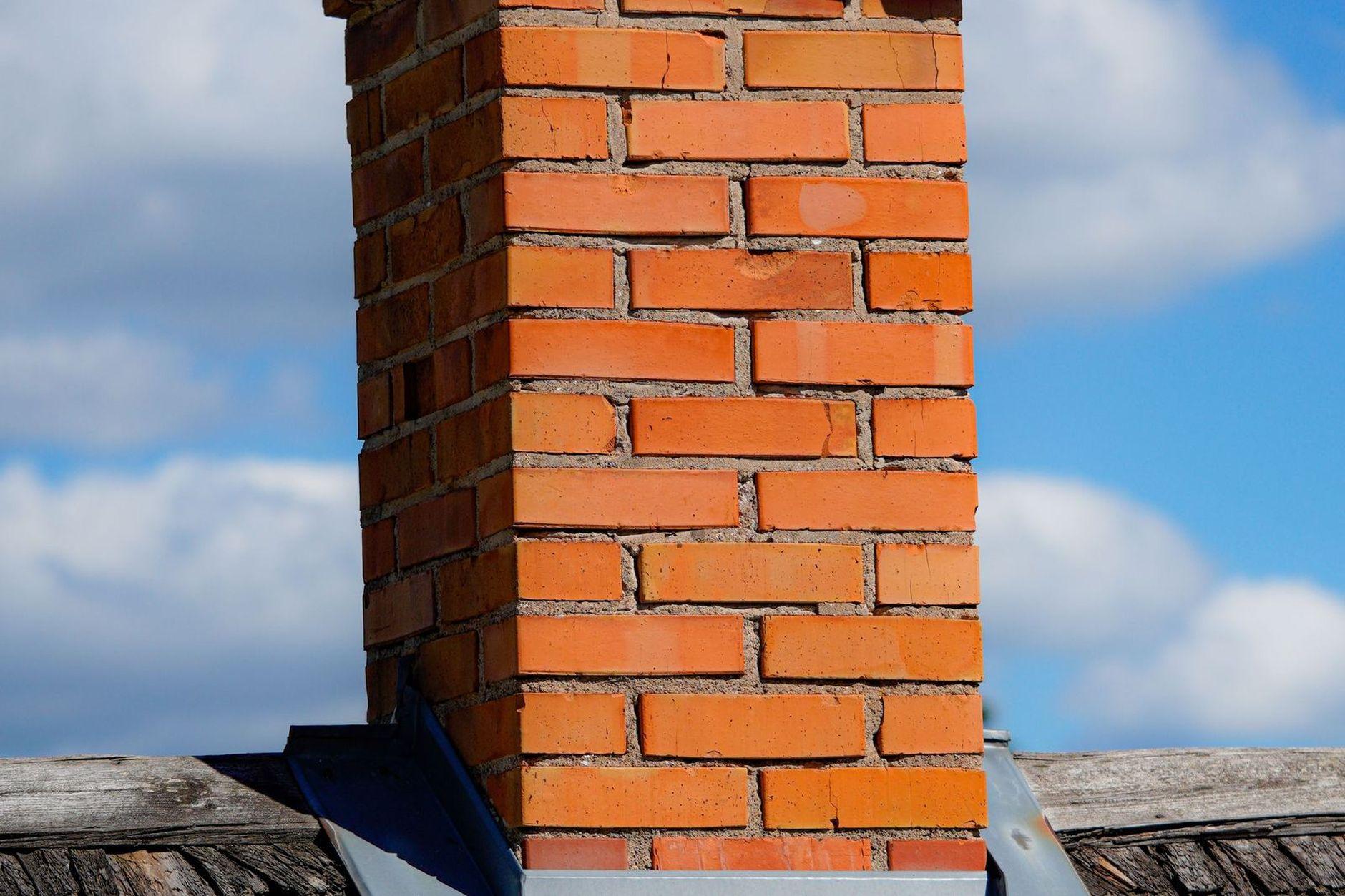
A house that sat closed all summer looks the same from the curb. Up the chimney, it rarely is. Birds had months to build under an open top. The damper may have rusted in whatever position it was left. The gas pilot that someone turned off in spring has had a season of dust drifting onto it. So when an owner in Artesia calls us before opening a second home or a rental for the cold months, the first two questions are always the same: what does the check cost, and which check is the right one?
This post answers both with our own prices.
Our four prices for a reopened house
Here are the figures that cover most reopening visits, in the order we usually reach for them:
- One fireplace, Level 1 visual check: $56
- Level 2, with the flue recorded on video from firebox to top: $400
- Sweeping a wood flue that burned last winter: from $425
- Replacing a cap that is missing, bent or torn: quoted after we measure the flue
Anything else a visit turns up, such as a split crown, a seized damper or a rusted chase top, gets its own written quote once we have seen it. Nobody on our end guesses a repair figure over the phone.
What decides which check you need
How long the house sat matters less than what happened to it while nobody was there. We ask four things.
Did anything change? If it is the same fireplace you burned in last season, nobody has altered it, and no quake or storm has passed through since, the Level 1 is where we start. We look at the firebox, the damper, the throat, the flue as far as a light shows it, and the cap from the roof.
Is the house new to you? A place you bought since the last time it was used is a different story. You do not know how the last owner treated it, and a Level 2 is the check that gives you a record of the whole flue. See our post on the chimney report for a second home for that case.
Has the fireplace been converted? Wood to gas, or one gas unit swapped for another, changes what the flue carries, so it calls for the camera too.
What burns in it? Wood fireplaces that saw more than a handful of fires last season usually need sweeping as well. Gas units do not, but their burner, pilot and glass need their own attention, which we cover in hiring for an idle gas fireplace.
Once you know which of those fit your house, ask for a written price for the visit and mention when the house was last lived in.
What an empty season leaves behind
These are the findings we write up most often on houses that sat dark, roughly in the order we find them:
- Something living at the top. An open flue is a dry, sheltered ledge. Twigs, feathers and droppings can choke the draft completely.
- A damper stuck where it was left. Open lets rain and animals in. Closed and rusted shut means the first fire smokes the room.
- Water marks in the firebox. A cap with a torn screen or no cap at all lets winter rain fall straight down the flue.
- Dust on a gas burner. Ports clog, the flame lifts or burns yellow, and the pilot may refuse to hold.
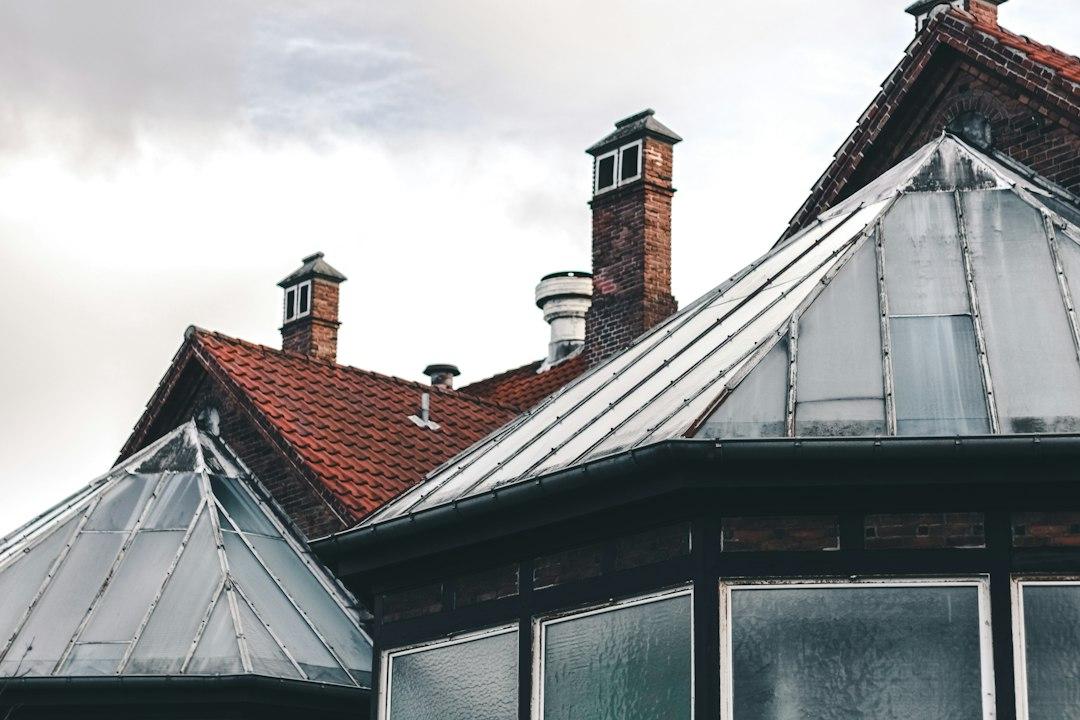
- A loose or missing cap. Wind works caps loose, and nobody notices on a house they only visit in December.
None of this is visible from the living room, which is the whole reason for the check.
Why the small check pays for itself
A Level 1 at $56 that finds a nest before the first fire saves a room full of smoke, a ruined first evening at the house, and possibly a fire in a flue packed with dry sticks. A Level 2 at $400 on a house you just bought is what tells you whether the flue tiles are whole before you start burning in them. We tell you which level fits your house when you call. If a Level 1 turns up something we cannot see past, such as a dark section of flue or a crack that runs out of sight, we say so in the report and you choose whether to move up to the camera.
The cap price is the other one owners ask about. A screened cap is the single part that keeps birds, leaves and rain out of a house that sits empty, and on most of the seasonal homes we see, it is the first repair on the list. Our cap price post goes through what sets it.
Working around an owner who is not in town
Second home owners are often a long drive away when the visit happens. That is fine. We work with a neighbor who holds a key, a property manager, a lockbox or a gate code. Tell us whether the gas is on and whether the pilot is lit, because we need to know before we arrive whether we can test the burner.
The report comes to you by email, with photos of the top, the damper and the firebox, and a plain list of what needs doing before the first fire. If something needs a repair, the quote is a separate page so you can forward it to whoever handles the house for you.
Houses in Artesia and nearby
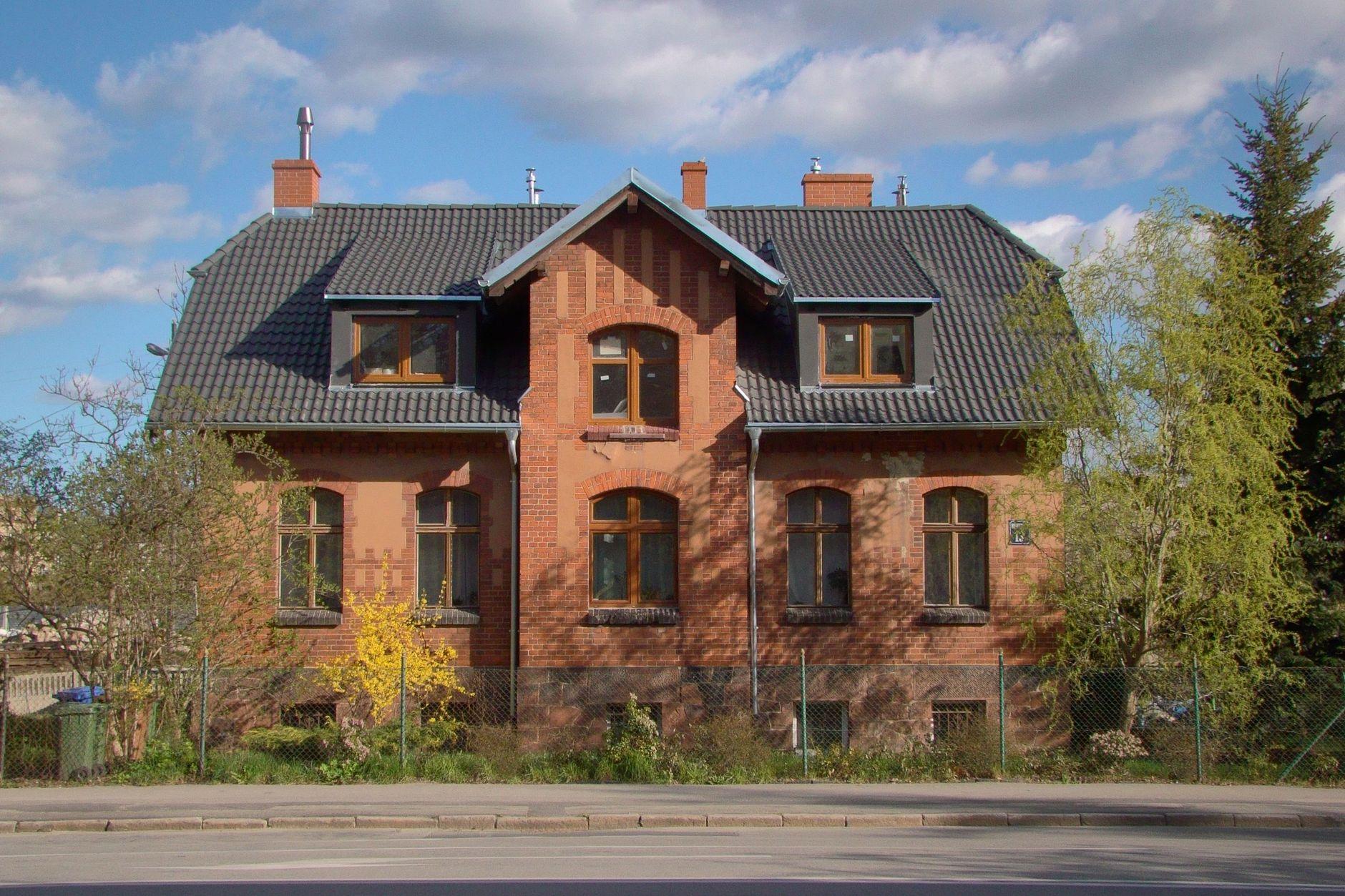
We work across Artesia, Norwalk, Bellflower and Cypress. Many of the homes here are single story ranch houses from the decades after the war, with a brick chimney on one end and a cap that may be the original. Plenty are rentals between tenants or homes that family members use for part of the year. The same checks apply to all of them, and the price is per fireplace, so a house with a fireplace in the den and another in the living room is two checks. Read more on our chimney inspection service and the Level 2 inspection pages, or see the cities we cover.
Before you light, after you leave
Two moments matter on a house that is not lived in full time: just before the first fire of the season, and just after the last one, when you close it up. A check before the first fire is the one that keeps the room clear of smoke. A screened cap on the top is what keeps the next empty season from undoing it.
When you are ready to set a date, head to our contact page, tell us roughly how long the house has been empty and what the fireplace burns, and we will call back to schedule.
Book the Check Before the Next Stay
Darnell runs one checklist on every house: cap and crown, flue, damper, then the gas unit if there is one. Photos go to the owner by email. Visits go out from Artesia to Norwalk, Bellflower, Cypress and the other towns on our area pages.