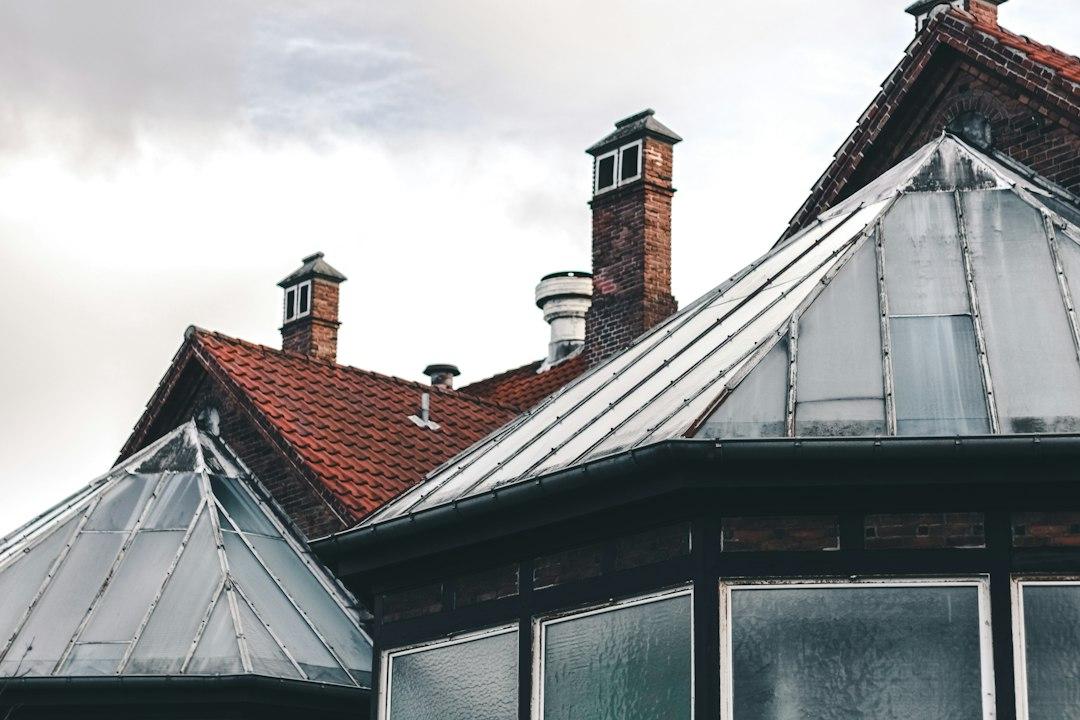
Owners usually learn about the nest the hard way. They open the house in Artesia after a few months away, light the first fire of the season, and the room fills with smoke. Or a tenant moves in, hears scratching above the damper and calls the manager. Either way, the flue had an open top, and something moved in while nobody was home.
The fix that keeps it from happening again is a screened cap. This post covers what sets the price of one here, and what has to come out of the flue before a cap goes on.
What sets the cap price
A cap fitted by us is quoted after we measure. The quote covers the cap, the fasteners and the work on the roof. Four things set the price.
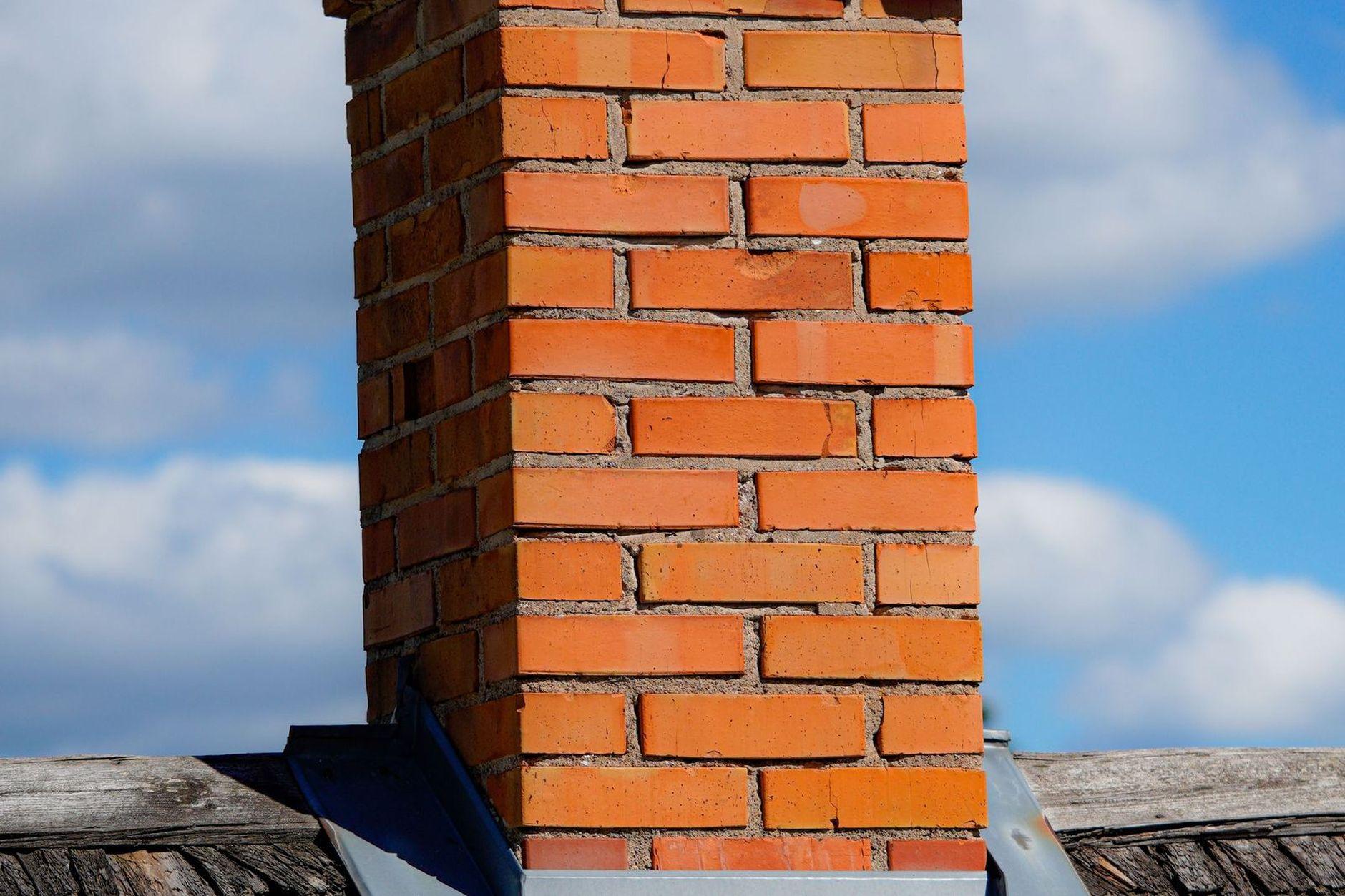
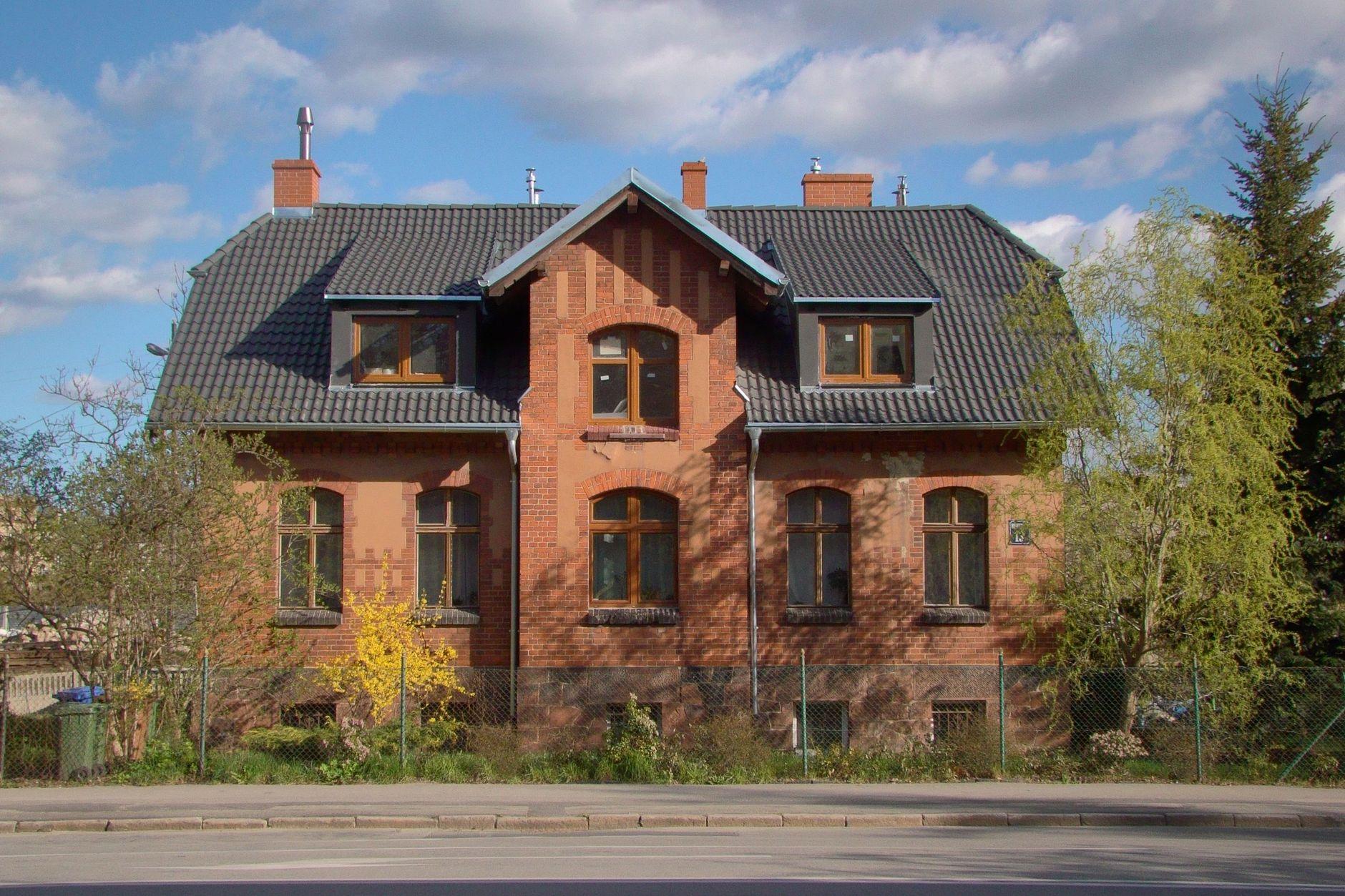
How many flues the cap has to cover. A single round or square flue tile takes a small cap that clamps or screws to the tile. A chimney with two or three flues, say a fireplace and an old furnace vent, often needs one wide cap that sits over all of them.
What it is made of. Galvanized steel costs less up front. Stainless lasts much longer in the winter rain and costs more. Copper costs the most and is mostly picked for looks.
How it fastens. Some flue tiles stand proud of the crown and take a cap that bolts around them. Others are flush or broken, and the cap has to fix to the crown or the brick instead.
The roof under it. A flat single story roof is quicker work than a steep second story pitch.
If you know how many flues come out of your chimney and roughly what the top looks like, ask us for a written cap price and we will set a visit to measure.
What comes out before the cap goes on
A cap on top of a nest only locks the nest in. So before we fit one, we clear the flue below it.
- Nesting material comes out from the top and the smoke shelf. Twigs, grass, feathers and droppings. On a house that sat a full season, there can be a lot of it.
- We check for anything still living there. If an animal is still inside, it has to leave before the top is closed.
- We look at the flue for damage the nest hid. Droppings and wet nesting hold moisture against the flue tile. Once it is clear, we look at the tile for cracks.
- A wood flue that burned last season gets swept if the buildup calls for it. That is a separate line on the quote, from $425 on our chimney sweep page.
We do not price the clearing as a fixed figure, because a few twigs and a packed flue are different jobs. It goes on the same written quote as the cap so you see the whole visit on one page.
Why empty houses get nests
Birds and small animals look for a dry, high, quiet ledge. A flue that nobody lights for six months is exactly that. A house that is lived in full time has some protection: smoke, heat, noise and a damper that someone closes. A second home, a rental between tenants, or a house waiting on a sale has none of that. Spring is the usual nesting season, and it is often the same stretch of months when a seasonal house sits shut.
That is why we put caps at the top of the list on seasonal homes. The cap is also what keeps winter rain from falling straight down an open flue onto the damper, and it holds back leaves blown in by the fall wind.
The screen matters as much as the cap
A cap with no screen is only a rain hat. The screen is the part that keeps animals out and stops embers leaving the top when the fireplace is in use. When we fit a cap, we check that the mesh is whole and fixed on every side. On an older cap, a torn or rusted screen is often the only part that has failed, and sometimes the cap body can stay. We tell you which.
How it fits with the rest of a reopening visit
On a house that sat empty, a cap is rarely the only thing on the list. We usually pair it with a Level 1 visual check at $56, so the damper, firebox and visible flue are looked at on the same trip. If the house is newly bought or the nest hid a crack we could not see past, a Level 2 at $400 records the flue on video. Our post on the vacant house chimney check cost lays out how those fit together.
Other repairs that show up once the nest is out, such as a cracked crown under the cap, are written up separately with their own quote. See our chimney cap installation and crown repair pages for what those visits cover.
Questions owners ask about caps
Can a cap go on the same visit as the nest removal? Usually yes, if we carry the right size. For an unusual flue or a multi flue top, we measure on the first visit and fit on the second.
Will a cap change the draft? A cap sized to the flue does not choke it. A cap that is too small, or a screen packed with leaves, can.
Does a gas fireplace need a cap? Yes. A gas vent with an open top collects nests and rain the same way, and a blocked gas vent is a carbon monoxide problem.
Close it before you leave
The easiest time to fit a cap is before the house sits empty again, while the flue is still clear. If you are closing up a second home or turning over a rental around Artesia, Norwalk, Bellflower or Cypress, our contact page is where to start. Tell us how many flues the chimney has and what you found, and we will call back to set the visit.
Book the Check Before the Next Stay
Darnell runs one checklist on every house: cap and crown, flue, damper, then the gas unit if there is one. Photos go to the owner by email. Visits go out from Artesia to Norwalk, Bellflower, Cypress and the other towns on our area pages.