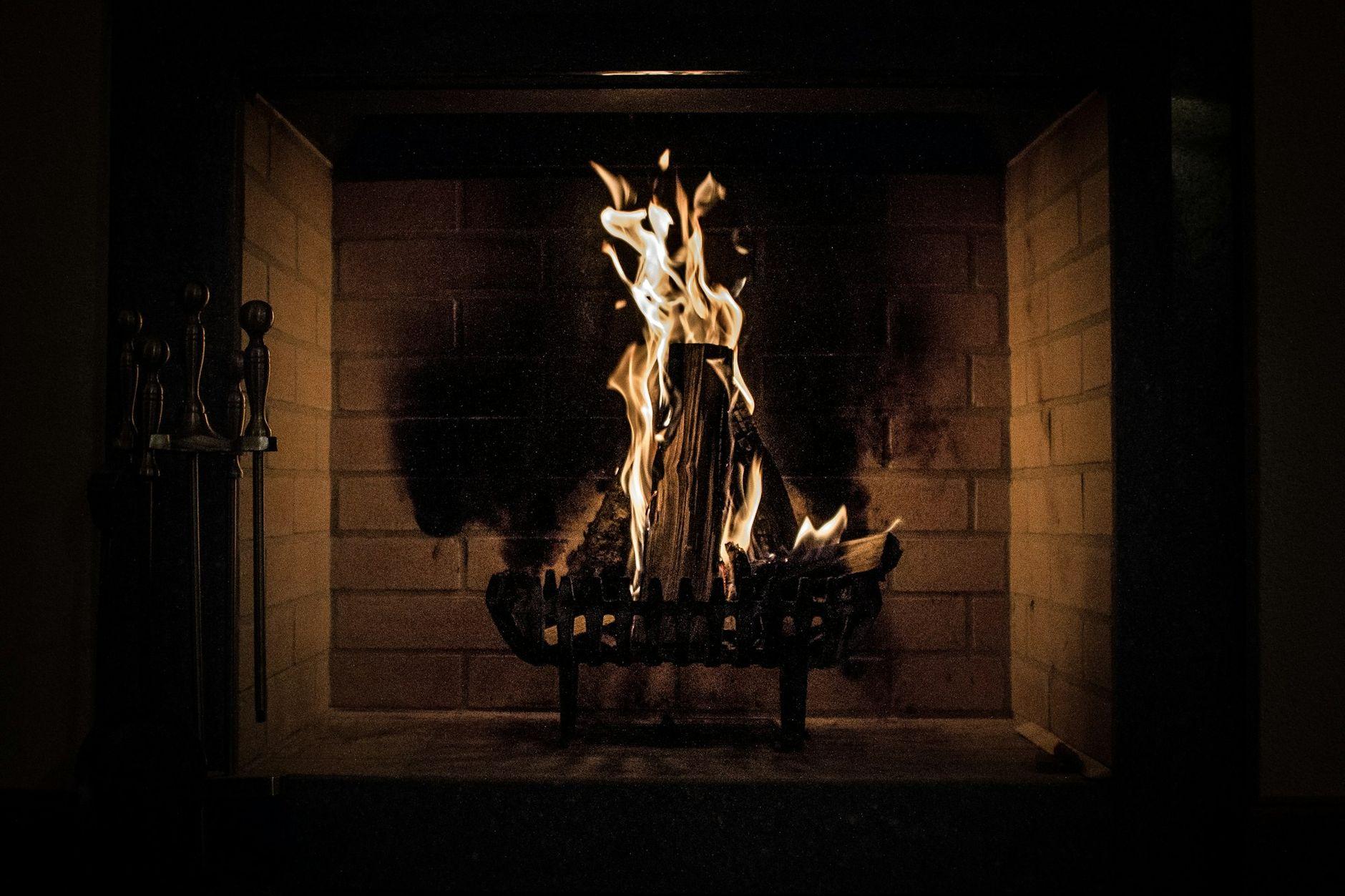
A gas fireplace does not need much from its owner while it runs every week. Leave it off for a season and that changes. Dust settles on the burner. Spiders build in the pilot tube and the air shutter. The battery in the receiver dies. Something nests in the vent cap on the roof. Then the first cool evening comes, someone turns the key or presses the remote, and nothing happens, or a tall lazy yellow flame comes up and soot starts to coat the glass.
That is the call we get most from owners of second homes and rentals in Artesia. This post is about hiring someone for it: what the visit should include, what to ask, and why the price is written after we look.
Who you are actually hiring
Three kinds of company answer this call. A general handyman may relight a pilot but will not test the vent. A gas appliance repair company will test the valve and controls but often stops at the wall. A chimney company that services gas fireplaces looks at both the unit in the room and the vent that carries its exhaust out of the house.
For a fireplace that sat idle, the vent matters as much as the burner. A gas fireplace that runs with a blocked vent puts its exhaust into the room. So whoever you hire should be willing to get on the roof or into the chase and look at the termination, not only open the front panel.
What the service visit should cover
On our gas fireplace cleaning visits for a unit that sat off, we work through the system in this order:
- Gas supply and shutoff. Is the valve at the wall open, and is gas reaching the unit?
- Pilot assembly. We clean the pilot hood and the thermocouple or thermopile, and confirm the pilot lights and holds.
- Burner and ports. Dust and webs come off the burner. Clogged ports are the usual reason for a lifting or yellow flame.
- Logs or media. Ceramic logs, rocks or glass are placed back where the maker meant them to sit. Logs in the wrong spot are a common cause of soot.
- Glass and gasket. The front comes off and the glass is cleaned of film. A gasket that has gone brittle is noted.
- Controls. Remote, receiver, wall switch and batteries.
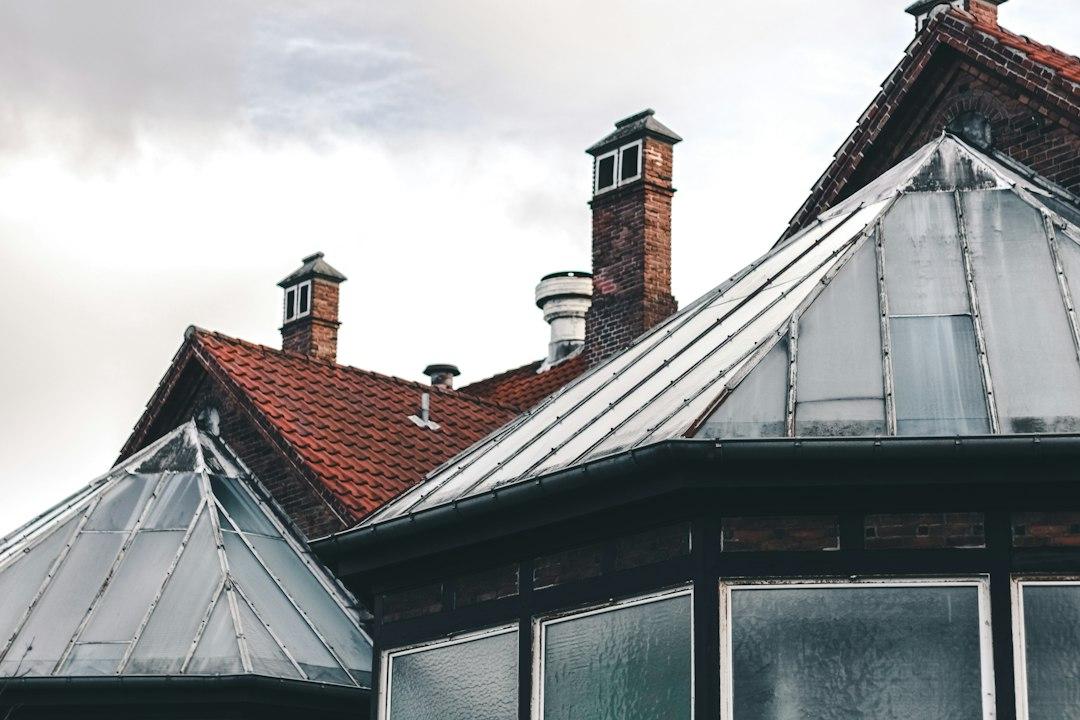
- Vent and cap. We look at the termination for nests, rust and wind damage.
- Carbon monoxide. We check the room for CO with the unit running before we leave.
That list is what to compare when two companies give you a price. Ask each one which of those items the visit includes. A low price that skips the vent is not a like for like offer.
Why the price comes after the visit
We do not publish a figure for gas fireplace service because two idle units can be very different jobs. One needs a cleaning and a new battery. The next needs a thermocouple, a log set sorted out and a bird nest pulled from the vent cap. Here is what changes the number:
- What failed while it sat. Cleaning alone is the small end. A pilot part or a control module is a parts order on top.
- The make and age of the unit. Parts for common current models are easy to source. An older unit may need a search.
- How the vent runs. A short vent straight out the wall is quick to look at. A tall run up a masonry chimney means roof work.
- What is living in the cap. A nest in a gas vent has to come out before the unit runs again.
Jot down the brand on the rating plate and whether the pilot clicks, sparks or stays dark, then ask us for a written price on the service visit and we will call back to set it up.
Questions to put to any company
Before you hire anyone for an idle gas fireplace, put these to them:
- Do you look at the vent and the cap, or only the unit?
- Do you check for carbon monoxide before you leave?
- Is the price written before you order a part?
- Will you tell me if the unit is not worth repairing?
That last one is fair to ask. A unit that has lost several parts to age may cost more to keep than to replace with a new insert. When that is the case we say so, put both options in writing and leave the choice with you. Our gas insert work is priced at $2,850 to $5,700 for setting a new unit into a firebox you already have. Read the fireplace inserts page for more on that route.
Rentals and second homes
For a rental, the visit belongs between tenants, while nobody lives there and before a new tenant tries the remote on the first cold night. For a second home, the useful timing is the trip before you plan to stay, so the unit is ready when you arrive. In both cases you do not need to be there. We work with a key holder, a lockbox or a manager, and the findings come to you by email with photos.
If a vent cap is missing or torn, we quote a replacement on the same visit, after we measure. Our post on what sets the price of a chimney cap explains why caps differ. If the gas fireplace sits in a chimney that also has a wood flue, a Level 1 check at $56 covers that flue on the same trip.
Leaving it for the next season
When you close the house again, the gas fireplace is part of the closing list. Turn the unit off the way the maker says, and if the house will sit long, ask us whether the pilot should stay lit or go off for that stretch. A screened cap on the vent keeps the next season from starting with another nest.
Before the first evening at the house, use our contact page to tell us the make of the unit, how long it has been off and what it did the last time someone tried it. We call back to set a time.
Book the Check Before the Next Stay
Darnell runs one checklist on every house: cap and crown, flue, damper, then the gas unit if there is one. Photos go to the owner by email. Visits go out from Artesia to Norwalk, Bellflower, Cypress and the other towns on our area pages.