Buying a house you will not live in full time changes how you should think about the fireplace. In your own home, you would notice a smoky draft or a damp smell in the first week. In a second home or a rental, the first person to light that fireplace might be you on a December weekend, or a tenant you have never met. Whatever is wrong with the flue on the day you buy, you inherit, and you may not find out until months later.
That is why we tell buyers of seasonal and rental property around Artesia to get a chimney report before the purchase closes, not after.
What the report is for
A general home inspection looks at the fireplace from the room. It notes the firebox, the damper and whether the chimney looks straight from the yard. Many home inspectors write that the flue should be looked at by a chimney specialist, and stop there. That sentence is where we come in.
Our Level 2 inspection is $400 per fireplace. It covers the parts a home inspector does not reach:
- The flue on video from the firebox to the top, so every tile joint and seam is on record.
- The smoke chamber and throat above the damper.
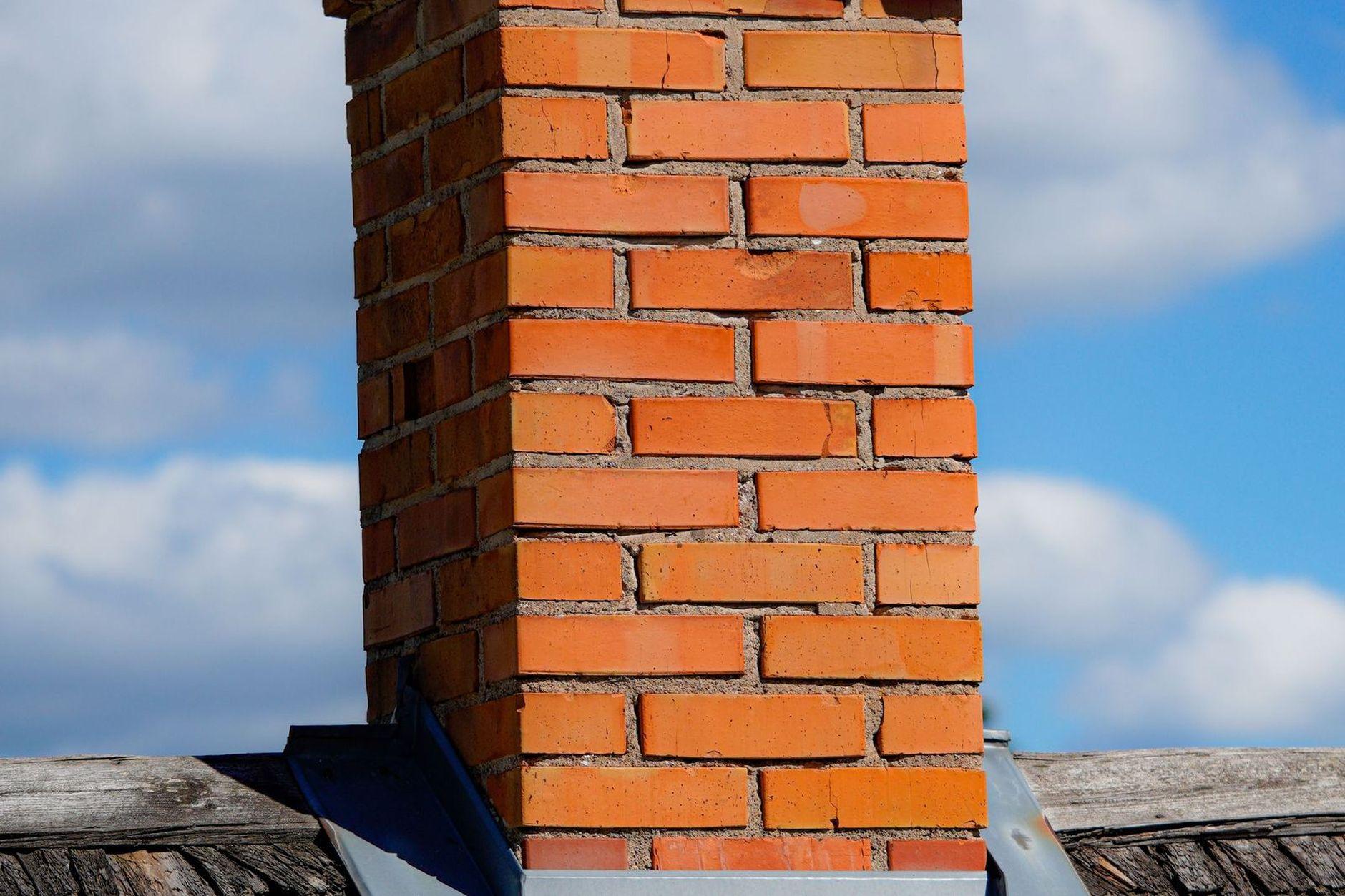
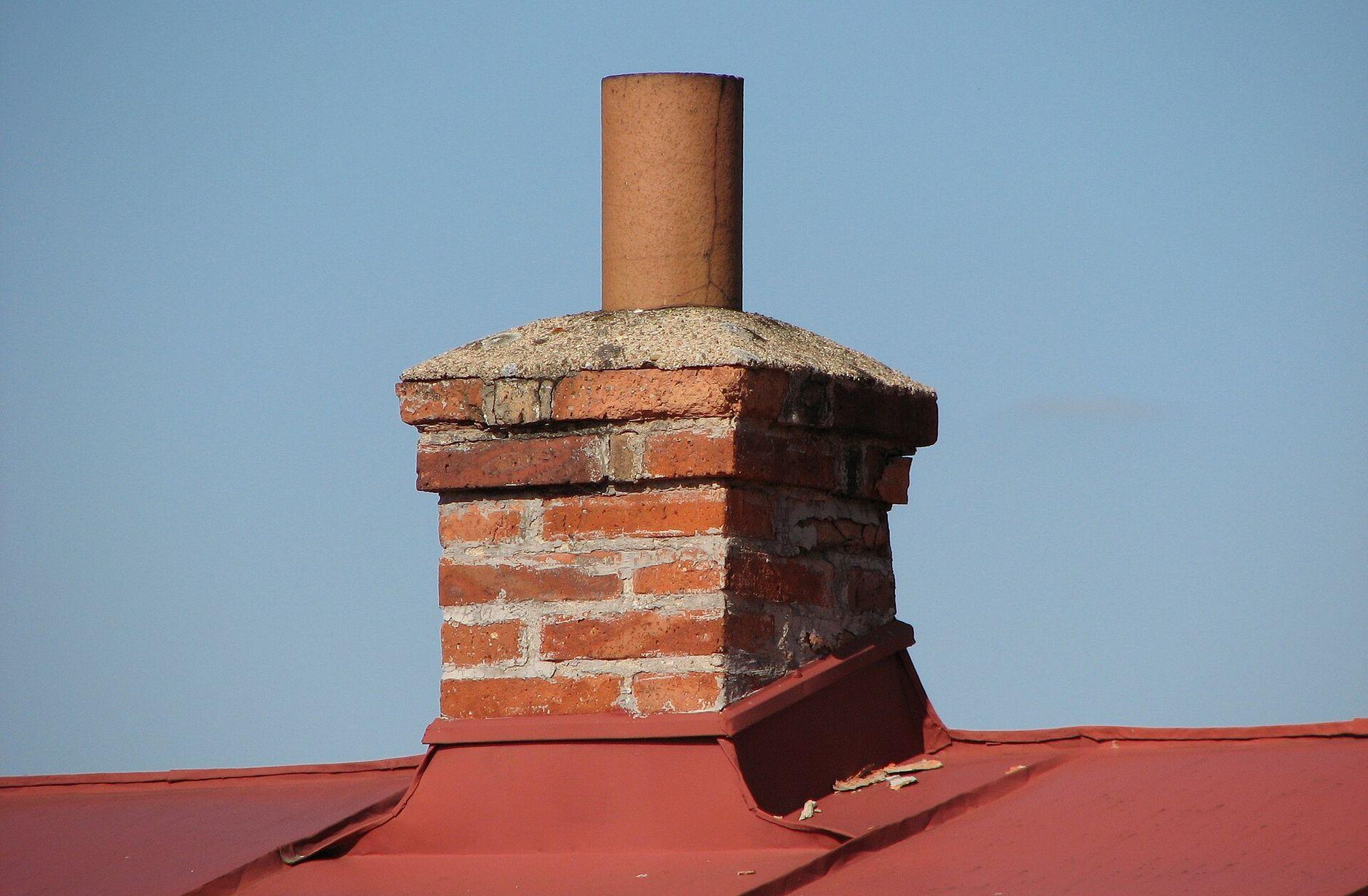
- The roof top: cap, crown, flashing and the brick above the roofline.
- The attic and crawl space around the chimney, where we can get to them.
- Any gas line, burner or vent if the fireplace burns gas.
The result is a written report with photos and camera stills, and a list of what needs work before anyone burns in it.
Why a buyer of a seasonal house needs it more
A seller who lived in the house can tell you how the fireplace drew last winter. A seller of a second home often cannot, because they were not there much either. The house may have sat with an open flue for years. A nest, a rusted damper or a crack from a wet winter can sit untouched for a long time on a house nobody uses.
There is also the distance. If you live elsewhere, you will not be on hand to notice a problem early. The report is your one clear look at the chimney before it becomes your responsibility.
What the report usually finds on seasonal houses
These are the findings that come up most on homes that have not been lived in full time:
- No cap, or a cap with a torn screen. Rain and animals have had free entry.
- Nesting material at the top or on the smoke shelf.
- A damper rusted open or shut.
- Water damage to flue tiles or the crown from rain that fell straight in.
- A gas pilot that has been off and a burner covered in dust.
- Cracked flue tiles that only the camera shows.
What decides the cost after the report
The report itself is $400 per fireplace. What comes after depends on what it finds. Some items have a set range with us:
- A screened cap, fitted: quoted on site
- Sweeping a wood flue before it is used: from $425
- Tracing and fixing a leak: $570 to $3,400
Cracked flue tiles, a crown that needs to be recast, a new liner or a damper repair are priced in writing once we have the findings in front of us. Those quotes are separate pages, so you can pass them to the seller as part of a repair request, or keep them for your own planning.
If you have an accepted offer on a house with a fireplace, ask us for a written price on the Level 2 and tell us whether you will be there for the visit.
Who receives the report
You decide who sees it. Most buyers want a copy for themselves and one for their agent. Some also want it sent to a property manager who will run the house, or to a family member who will use it. The seller sees it only if you choose to share it. Name the people when you book and each of them gets the same file.
When you cannot be there
Plenty of second home buyers never walk the house with us. That is fine. We arrange access through your agent or the listing agent, and we tell you what we need: a way in, a safe way onto the roof, and whether the gas is on. You get the report and photos by email.
After you close
Two things are worth doing between the close and the first season of use. First, fix anything the report marked as unsafe. Second, put a screened cap on any flue that does not have one, so the house does not collect a new nest while it sits. Our posts on what sets the price of a chimney cap and the vacant house chimney check cost cover what comes next.
If the place will be a rental, the report becomes your baseline. At each turnover a Level 1 at $56 can show what changed since. See Level 1 or Level 2 between tenants for when each fits.
Houses we see
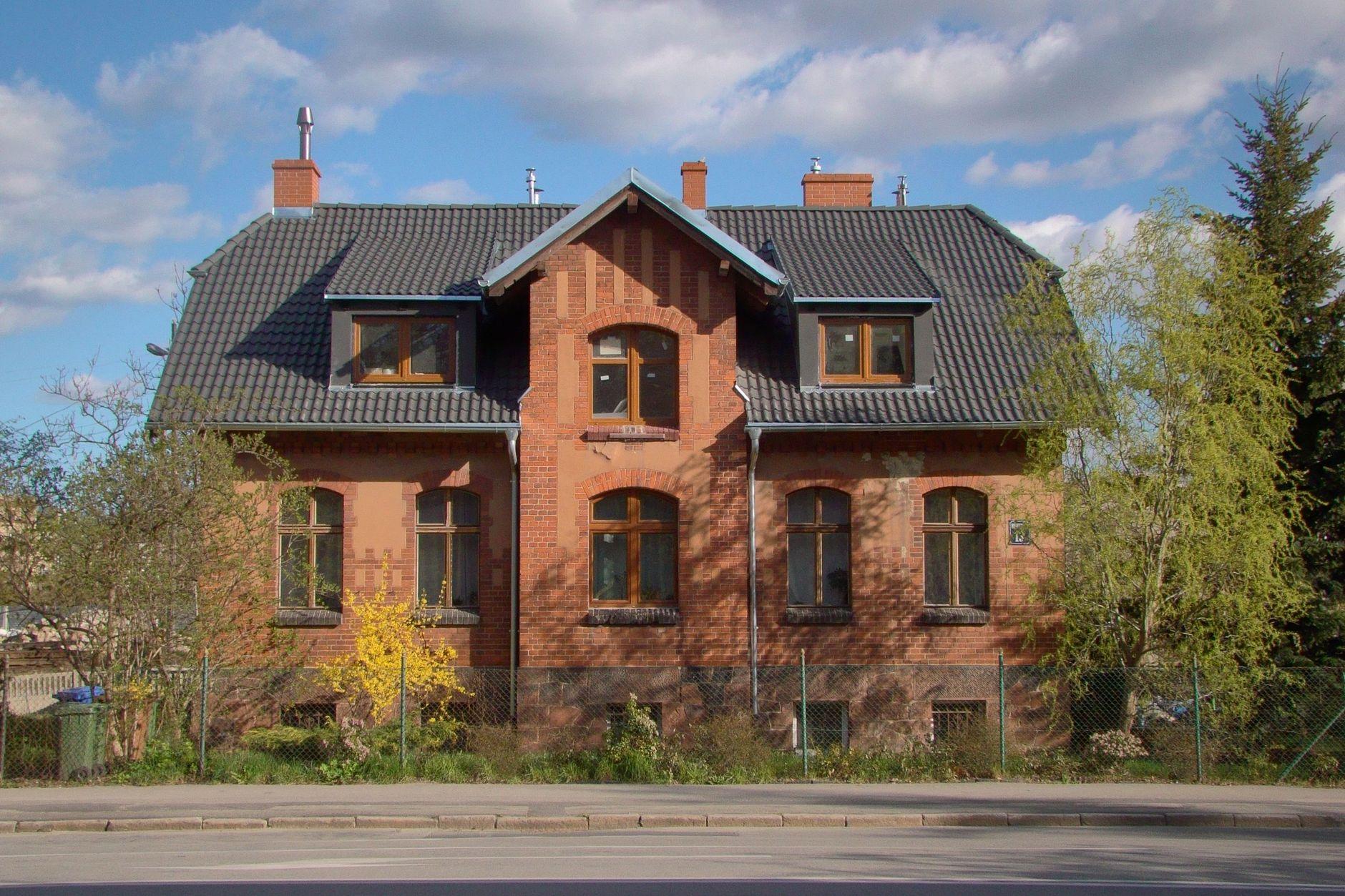
Most of the second homes and rentals we inspect sit in Artesia, Norwalk, Bellflower and Cypress, along with the other areas we cover. Many are older single story homes with a brick chimney and a clay flue. Some are condos or townhouses with a shared chase. For those, our condo and townhouse sale page explains how the report splits unit items from association items.
Before you sign
Put the chimney report on the same list as the general inspection and the pest report. When the house is under contract, visit our contact page, tell us the property and who should receive the findings, and we will call back to set the visit.
Book the Check Before the Next Stay
Darnell runs one checklist on every house: cap and crown, flue, damper, then the gas unit if there is one. Photos go to the owner by email. Visits go out from Artesia to Norwalk, Bellflower, Cypress and the other towns on our area pages.