
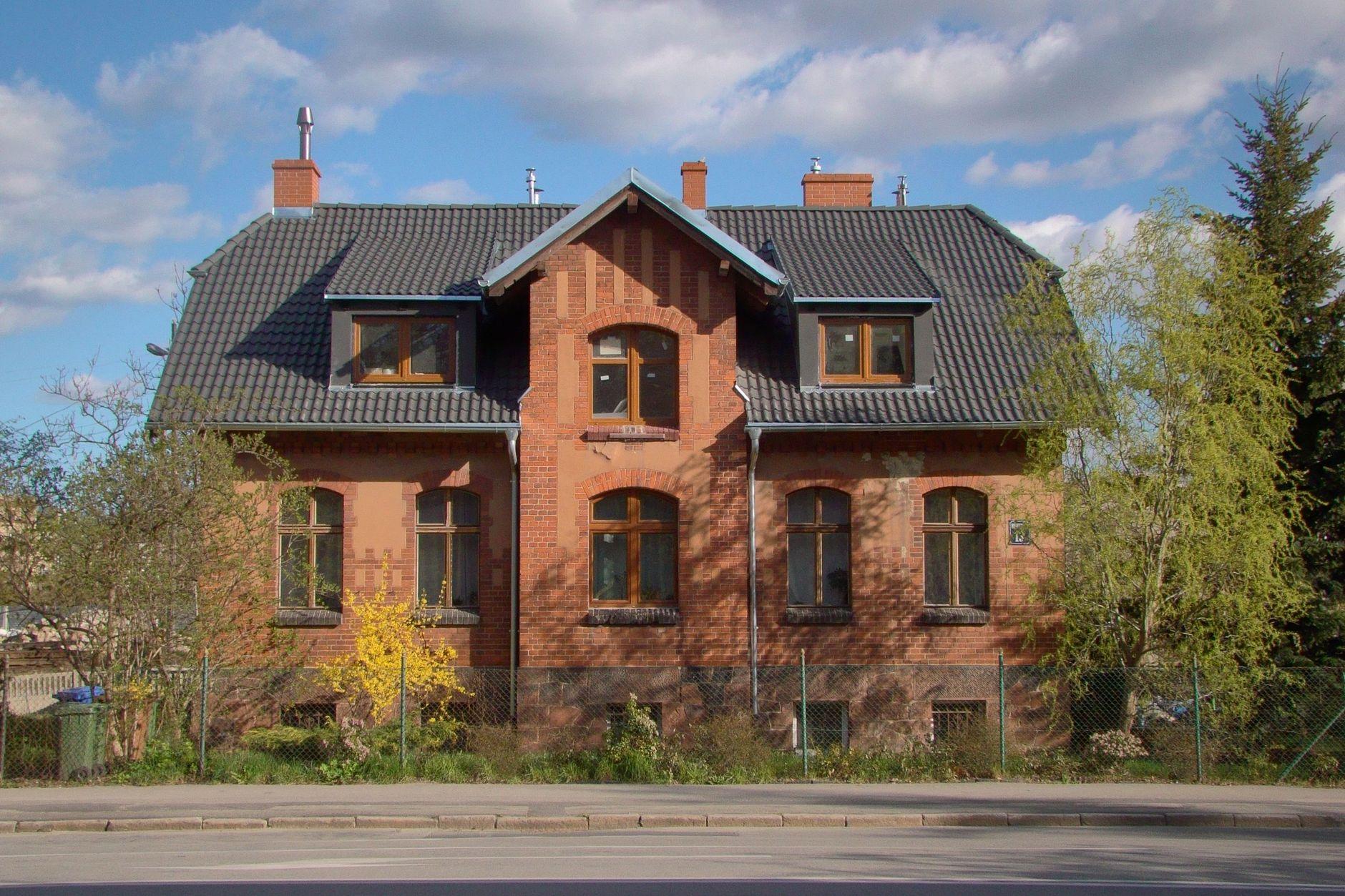
A Level 2 for the chimney nobody has looked inside in years
Planning Around a Stay?
Leave the address, wood or gas, and when someone is due back. We reply with a date that fits before they arrive.
On the Darnell Checklist
Level 2 is the deeper look. A camera travels the full height of the flue and records it, so cracked tiles, open joints and old heat damage show up on screen instead of being guessed at. Owners book it when a house is listed or bought, after a quake, or when a rental changes hands after years of use. The visit is $400, and the footage stills come with a written summary.
Houses where nobody knows the chimney's history
A Level 1 tells you what the chimney looks like from the hearth and the roof. That is enough for a fireplace you used last winter and will use in the same way this winter. It is not enough for a chimney whose history nobody knows. Many of the houses we see fit that description: a parent's home being cleared out after years of living alone, a rental that has gone through a string of tenants and managers, a place that sat empty for a long stretch before someone bought it or moved back in. Nobody can say when the flue was last swept, whether it has had a chimney fire, or whether the 1994 quake cracked something inside that never showed in the room. NFPA 211 asks for the deeper visit in just these moments: a sale or transfer, a change of fuel or appliance, a chimney fire, a quake or storm that may have hurt it, and any sign of trouble a Level 1 cannot explain.
The Level 2 begins with everything a Level 1 covers, then goes inside. A small camera on a push cable travels up the flue from the smoke chamber to the cap, and we watch the screen as it goes, stopping at every joint between flue tiles, every bend and every patch. It shows what a flashlight cannot reach: a tile cracked halfway up, a joint where the mortar has fallen out and left a gap to the brick, a ledge of creosote above an offset, or a section shifted out of line. We also follow the chimney through the parts of the house it passes on the way up, in the attic and under the floor where they can be reached, looking at clearance to framing and signs of heat or water. The visit costs $400. You get a written report that names each finding, says whether the chimney can be used as it is, and lists what would need repair before it can be.
Who the report is written for
For a sale, the report is written to be read by people who were not there. A buyer wants to know whether the fireplace they are paying for can be used. A seller would rather hear about a cracked liner before listing than after a buyer's inspector finds it. An agent needs a document to attach to a disclosure or a repair request. We write the report so all three can follow it: what was checked, what was found, and what each finding means for use of the fireplace, without trade language that needs a phone call to translate. It goes to whoever you name, and if the seller lives out of state or the house is vacant, a lockbox or the listing agent can let us in. Our pages for home sales and for real estate agents explain how the visit fits into an escrow and what buyers' inspectors tend to flag on older chimneys.
Outside a sale, the commonest reason for a Level 2 in a part-time house is a change: switching from wood to gas logs or an insert, adding a liner, or bringing a fireplace back into use after years. A flue built for an open wood fire may be too big or too damaged for a gas appliance, and the camera tells us which. The other reason is a shock to the chimney. After a quake that shook the area while nobody was home, after a chimney fire, or after a winter of leaks, the inside of the flue may have changed in ways the outside does not show. Whatever the camera finds is written up with its own repair price, separate from the inspection, so you can decide what to do with the report in hand. Book through the contact form and tell us the reason for the inspection, since it shapes what the report puts first.
The Way Darnell Chimney Pros Works
Cap Checked Every Time
Nests and rust are what a closed season leaves on top
No One Home Needed
A manager, neighbor or agent can let the crew in
Listed Prices
Sweeps and inspections have set prices; caps are quoted after we measure, other work on paper
Report by Email
Photos and notes go to whoever owns or runs the house
Where we book chimney level 2 inspection
Our main towns have their own page for this service, covering the houses there and what a chimney left unused tends to need.
CA
Chimney Level 2 Inspection in Artesia
A typical house here is 1950s or 1960s, with a brick or block stack that someone converted to gas logs along the way. If it sat dark all summer, our order is cap and nests first, pilot second, flame test last.
Open the town pageCA
Chimney Level 2 Inspection in Norwalk
Eighty-three percent of homes here were built before 1980. When one of them has been shut since spring, we climb to the cap before anything else, then follow the flue down to the firebox floor.
Open the town pageCA
Chimney Level 2 Inspection in Bellflower
About half the units are single-family homes, and renting is common. A lease ending is our cue: flue cleared, cap seated, gas logs lit and watched, so whoever signs next starts with a chimney already looked over.
Open the town pageCA
Chimney Level 2 Inspection in Cypress
Depending on the year, a house may hold a site-built masonry fireplace or, by the seventies, a factory-built metal box. Our pre-season pass differs: crown and joints for brick, flue sections and chase top for metal.
Open the town pageMore Services
Chimney Sweep
Soot, old creosote and whatever fell in over the empty months come out of the flue before the first fire back.
Read moreChimney Inspection
A full look before a house reopens or a new tenant moves in, so the first fire of the season is not a guess.
Read moreChimney Repair
Cracks and loose joints found on a reopening check get fixed while the house is still empty and quiet.
Read moreFireplace Inspection
The firebox, damper, hearth and glass get checked from inside the room before guests or tenants light it.
Read moreFireplace Repair
Cracked panels, a stuck damper or a worn hearth get fixed with parts that fit your firebox, before the next stay.
Read moreChimney Cap Installation
A stainless cap with mesh keeps birds, squirrels and rain out of a flue that nobody will watch for months.
Read moreChimney Flashing Repair
Lifted or rusted metal at the roof line leaks rain into a closed house, where a stain can grow for months.
Read moreChimney Masonry Repair
Eroded mortar and flaking brick get repaired before another rainy season soaks a chimney nobody is watching.
Read moreChimney Rebuilds
When a stack is cracked through or loose at the top, it gets rebuilt with a new crown, liner and cap.
Read moreFireplace Cleaning
Old ash, soot and glass haze get cleared from the firebox so the house is ready when you arrive.
Read moreGas Fireplace Cleaning
A gas fireplace left off for months gets its burner, pilot and glass cleaned, then is lit and tested before you need it.
Read moreGas Fireplace Repair
A pilot that will not stay lit after a long break, or a burner that clicks and never catches, gets traced and fixed.
Read moreFireplace Remodel
New surround, mantel and hearth in tile or stone, with safe distances to the flame set before finishes go on.
Read moreFireplace Inserts
A sealed insert gives a part-year house a fire that lights from a switch or holds a log load behind glass.
Read morePellet Stove Repair
Pellets that sat in the hopper all season can swell and jam the feed; we clear it and fix the part that failed.
Read moreWood Stove Repair
A wood stove that sat through a damp season gets its seals, firebox lining and pipe checked and fixed before the first load.
Read moreGas Logs
Ceramic logs on a gas burner give a part-year house a fire that starts from a switch, with no wood to store.
Read moreChimney Seismic Retrofit
Bracing and straps tie an older brick chimney to the house, so a quake while you are away does less harm.
Read moreChimney Crown Repair
A cracked concrete top on the chimney lets rain into the brick all winter; we patch it or pour a new one.
Read moreDryer Vent Cleaning
Lint packed into a dryer duct makes loads run long; we clear the run between tenants or before a busy season.
Read moreChimney Liner Installation
A cracked clay flue or a new insert calls for a stainless liner, run the full height and capped at the top.
Read moreChimney Leak Repair
Water through a chimney can stain a closed house for months; we find the entry point and seal it.
Read moreChimney Waterproofing
A breathable water repellent on the brick keeps winter rain out of a chimney that goes unwatched for months.
Read moreChimney Damper Repair
A damper rusted in place over a closed season gets freed, rebuilt or replaced with a sealing top damper.
Read moreChimney Chase Cover
A rusted metal top on a framed chimney lets water into the chase; we replace it with a stainless one.
Read morePricing guides from Darnell Chimney Pros
Sales, rentals and repair lists
Four pages for the jobs that come with a deadline or a file: a unit changing owners, an agent's booking, a building full of fireplaces, and the repairs a Level 2 turns up.
Condo and townhouse sales
Selling or buying a unit with a fireplace: which parts the owner holds, which the association holds, and a Level 2 for the file.
For real-estate agents
Three steps for an agent: request, access, report. Booked the same way on every listing and every buyer.
Property managers and HOAs
Every fireplace on the property in one visit, at $56 each for the Level 1, with a dated line per unit.
Up to code repairs
The usual fixes after a failed Level 2, in one table: our price where we have one, a written quote where we do not.