
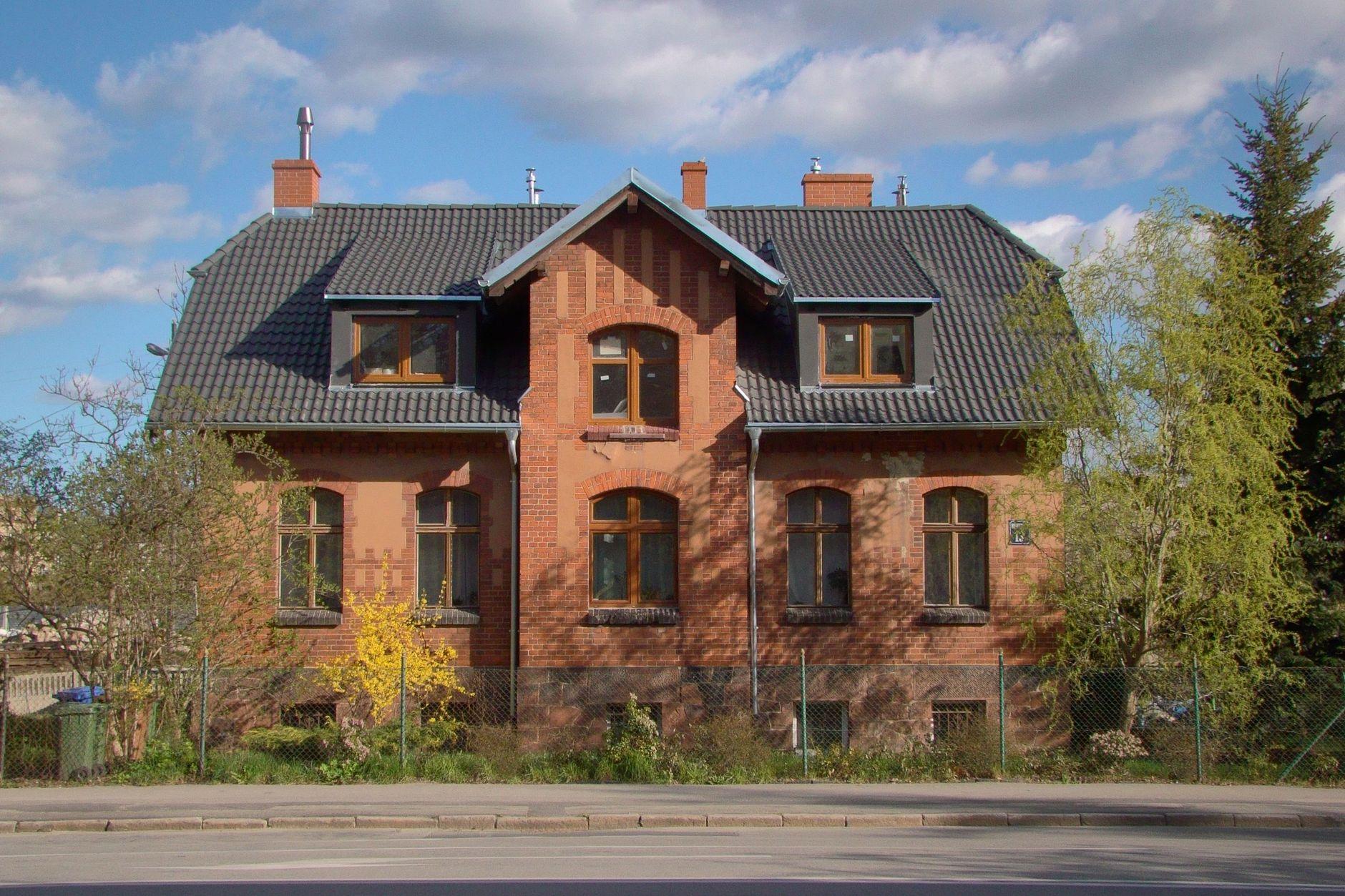
When the top of the chimney has to come down and go back up
Planning Around a Stay?
Leave the address, wood or gas, and when someone is due back. We reply with a date that fits before they arrive.
On the Darnell Checklist
Some chimneys cannot be patched. A quake can crack a stack where it leaves the roof, and decades of weather can loosen the upper courses until bricks lift out by hand. Then we rebuild the part above the roof, or the whole stack, with reinforcement where the plans call for it, a new crown and a capped flue. Permits and the full price are settled in writing before demolition starts.
Signs a stack is past patching
Most chimneys that need work need repair, not a rebuild. A rebuild comes into the picture when the brick above the roof has stopped acting like one piece. You can sometimes see it from the yard: the top leans, a crack runs right through brick and mortar both, or a whole course has slid sideways. Up close, bricks lift out by hand, the mortar has gone deep into the joint rather than just at the face, and the crown sits on brick that shifts when pushed. Houses in this part of Los Angeles County rode out the 1987 Whittier Narrows quake and the 1994 quake, and a chimney that cracked then may have been patched at the surface and left alone. Years of rain into those cracks finish the job. For an owner who visits a few times a year, a loose stack is a worry that does not wait for the next trip: a strong wind or a small quake can drop bricks onto the roof or the walk below.
We start at the cap and lift off one row of brick at a time, stopping at the first layer where the joints hold and the units no longer rock, a point which on most houses is somewhere near the roofline or a few feet above it. Taking the whole thing to the ground is unusual and only makes sense when the damage runs through the base or the firebox. From the sound layer we lay new brick back up, matching the size and color of what stays as closely as we can find, with mortar suited to that brick. The flue tile or liner in that section is replaced as the masonry rises, a new crown is formed on top, and new flashing goes in where the chimney meets the roof. Where the house would benefit from extra strength, steel ties back to the framing can be added as part of the work. The quote lists how far down we expect to go, what is being replaced, and the price, with a note on what happens if the brick turns out worse than it looked from outside.
Planning a rebuild from a distance
A rebuild is the one chimney job that takes more than a visit or two, and it helps to plan it around the empty months. We work from the roof and the yard, so the house can stay locked; the only inside access we need is to check the firebox and seal it off while we work above. Roofing around the chimney is lifted and protected, the area below is roped off, and debris goes down a chute into a bin rather than across the yard. Masonry wants dry weather, so most rebuilds are booked between late spring and early fall, and if rain is coming we cover the stack between working days. For an owner who is not on site, the written scope up front and the final report afterwards, sent to you or to the manager you name, keep the job in view without anyone having to stand in the yard and watch bricks go up.
A rebuild is not the only answer for a stack that has failed above the roof. If the fireplace is rarely used, some owners choose to remove everything above the roof, close the opening and have the roof finished over it, or to stop the masonry lower and run a metal flue for a gas appliance. Others pair the rebuild with bracing, since a chimney being rebuilt is the easiest one to strengthen. We set these out side by side on the quote so you can weigh them against how often the fireplace actually gets lit. For a house heading to sale, a rebuilt or removed chimney with a written record of the work is a cleaner disclosure than a cracked one, and our home sale page explains what buyers' inspectors tend to look for. Start with the contact form: tell us what you see from the ground and when the house is next empty.
The Way Darnell Chimney Pros Works
Cap Checked Every Time
Nests and rust are what a closed season leaves on top
No One Home Needed
A manager, neighbor or agent can let the crew in
Listed Prices
Sweeps and inspections have set prices; caps are quoted after we measure, other work on paper
Report by Email
Photos and notes go to whoever owns or runs the house
Where we book chimney rebuilds
Our main towns have their own page for this service, covering the houses there and what a chimney left unused tends to need.
CA
Chimney Rebuilds in Artesia
A typical house here is 1950s or 1960s, with a brick or block stack that someone converted to gas logs along the way. If it sat dark all summer, our order is cap and nests first, pilot second, flame test last.
Open the town pageCA
Chimney Rebuilds in Norwalk
Eighty-three percent of homes here were built before 1980. When one of them has been shut since spring, we climb to the cap before anything else, then follow the flue down to the firebox floor.
Open the town pageCA
Chimney Rebuilds in Bellflower
About half the units are single-family homes, and renting is common. A lease ending is our cue: flue cleared, cap seated, gas logs lit and watched, so whoever signs next starts with a chimney already looked over.
Open the town pageCA
Chimney Rebuilds in Cypress
Depending on the year, a house may hold a site-built masonry fireplace or, by the seventies, a factory-built metal box. Our pre-season pass differs: crown and joints for brick, flue sections and chase top for metal.
Open the town pageMore Services
Chimney Sweep
Soot, old creosote and whatever fell in over the empty months come out of the flue before the first fire back.
Read moreChimney Inspection
A full look before a house reopens or a new tenant moves in, so the first fire of the season is not a guess.
Read moreChimney Repair
Cracks and loose joints found on a reopening check get fixed while the house is still empty and quiet.
Read moreFireplace Inspection
The firebox, damper, hearth and glass get checked from inside the room before guests or tenants light it.
Read moreFireplace Repair
Cracked panels, a stuck damper or a worn hearth get fixed with parts that fit your firebox, before the next stay.
Read moreChimney Level 2 Inspection
A recorded camera pass of the whole flue, booked before a sale, after a quake, or when a house changes hands.
Read moreChimney Cap Installation
A stainless cap with mesh keeps birds, squirrels and rain out of a flue that nobody will watch for months.
Read moreChimney Flashing Repair
Lifted or rusted metal at the roof line leaks rain into a closed house, where a stain can grow for months.
Read moreChimney Masonry Repair
Eroded mortar and flaking brick get repaired before another rainy season soaks a chimney nobody is watching.
Read moreFireplace Cleaning
Old ash, soot and glass haze get cleared from the firebox so the house is ready when you arrive.
Read moreGas Fireplace Cleaning
A gas fireplace left off for months gets its burner, pilot and glass cleaned, then is lit and tested before you need it.
Read moreGas Fireplace Repair
A pilot that will not stay lit after a long break, or a burner that clicks and never catches, gets traced and fixed.
Read moreFireplace Remodel
New surround, mantel and hearth in tile or stone, with safe distances to the flame set before finishes go on.
Read moreFireplace Inserts
A sealed insert gives a part-year house a fire that lights from a switch or holds a log load behind glass.
Read morePellet Stove Repair
Pellets that sat in the hopper all season can swell and jam the feed; we clear it and fix the part that failed.
Read moreWood Stove Repair
A wood stove that sat through a damp season gets its seals, firebox lining and pipe checked and fixed before the first load.
Read moreGas Logs
Ceramic logs on a gas burner give a part-year house a fire that starts from a switch, with no wood to store.
Read moreChimney Seismic Retrofit
Bracing and straps tie an older brick chimney to the house, so a quake while you are away does less harm.
Read moreChimney Crown Repair
A cracked concrete top on the chimney lets rain into the brick all winter; we patch it or pour a new one.
Read moreDryer Vent Cleaning
Lint packed into a dryer duct makes loads run long; we clear the run between tenants or before a busy season.
Read moreChimney Liner Installation
A cracked clay flue or a new insert calls for a stainless liner, run the full height and capped at the top.
Read moreChimney Leak Repair
Water through a chimney can stain a closed house for months; we find the entry point and seal it.
Read moreChimney Waterproofing
A breathable water repellent on the brick keeps winter rain out of a chimney that goes unwatched for months.
Read moreChimney Damper Repair
A damper rusted in place over a closed season gets freed, rebuilt or replaced with a sealing top damper.
Read moreChimney Chase Cover
A rusted metal top on a framed chimney lets water into the chase; we replace it with a stainless one.
Read more