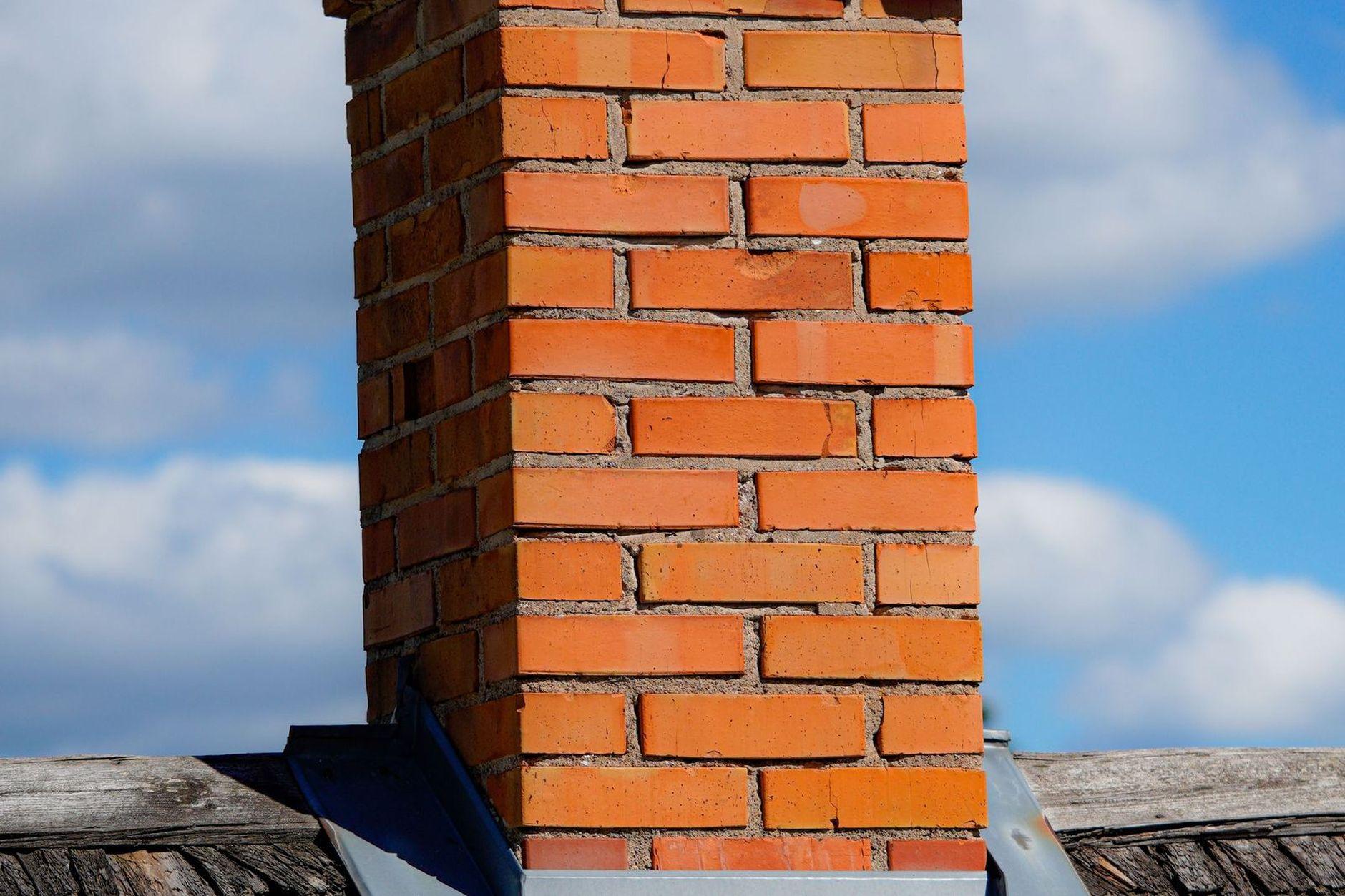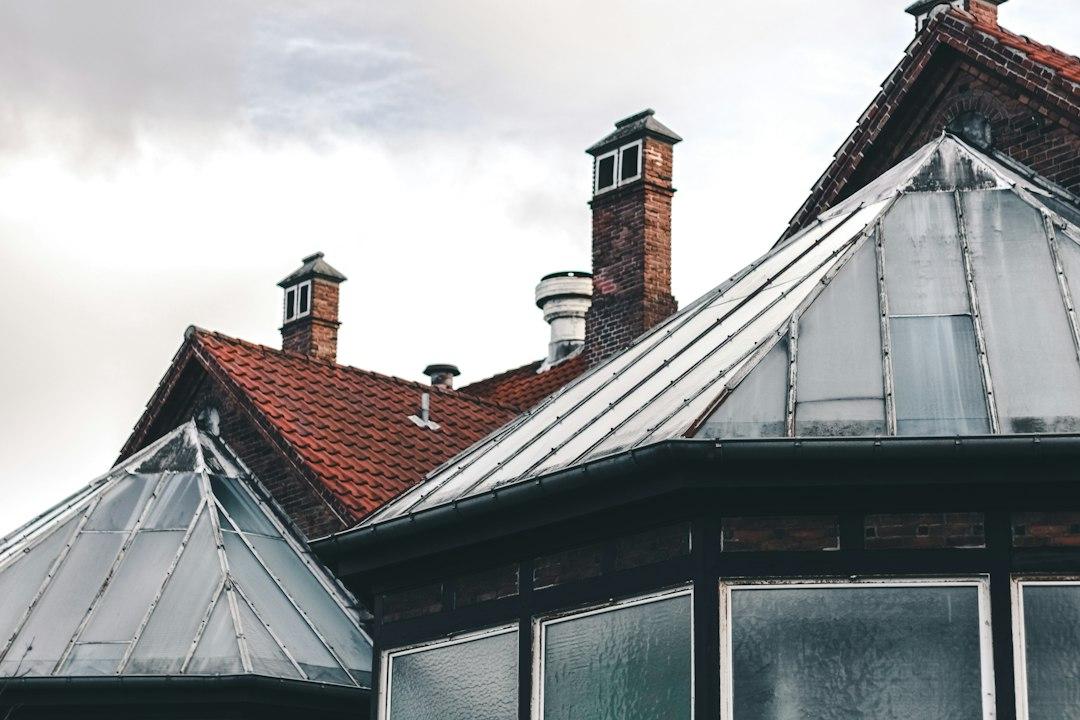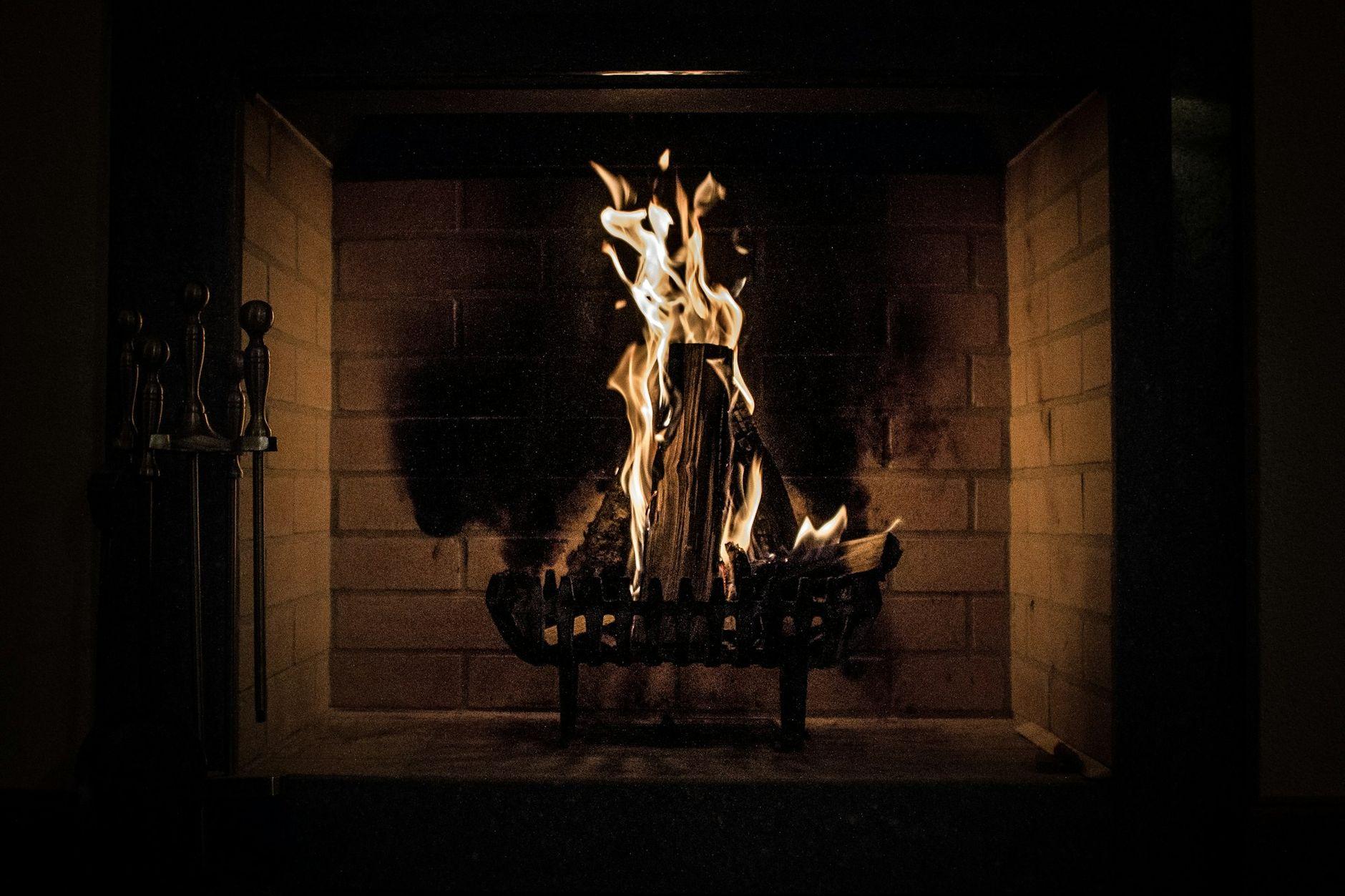
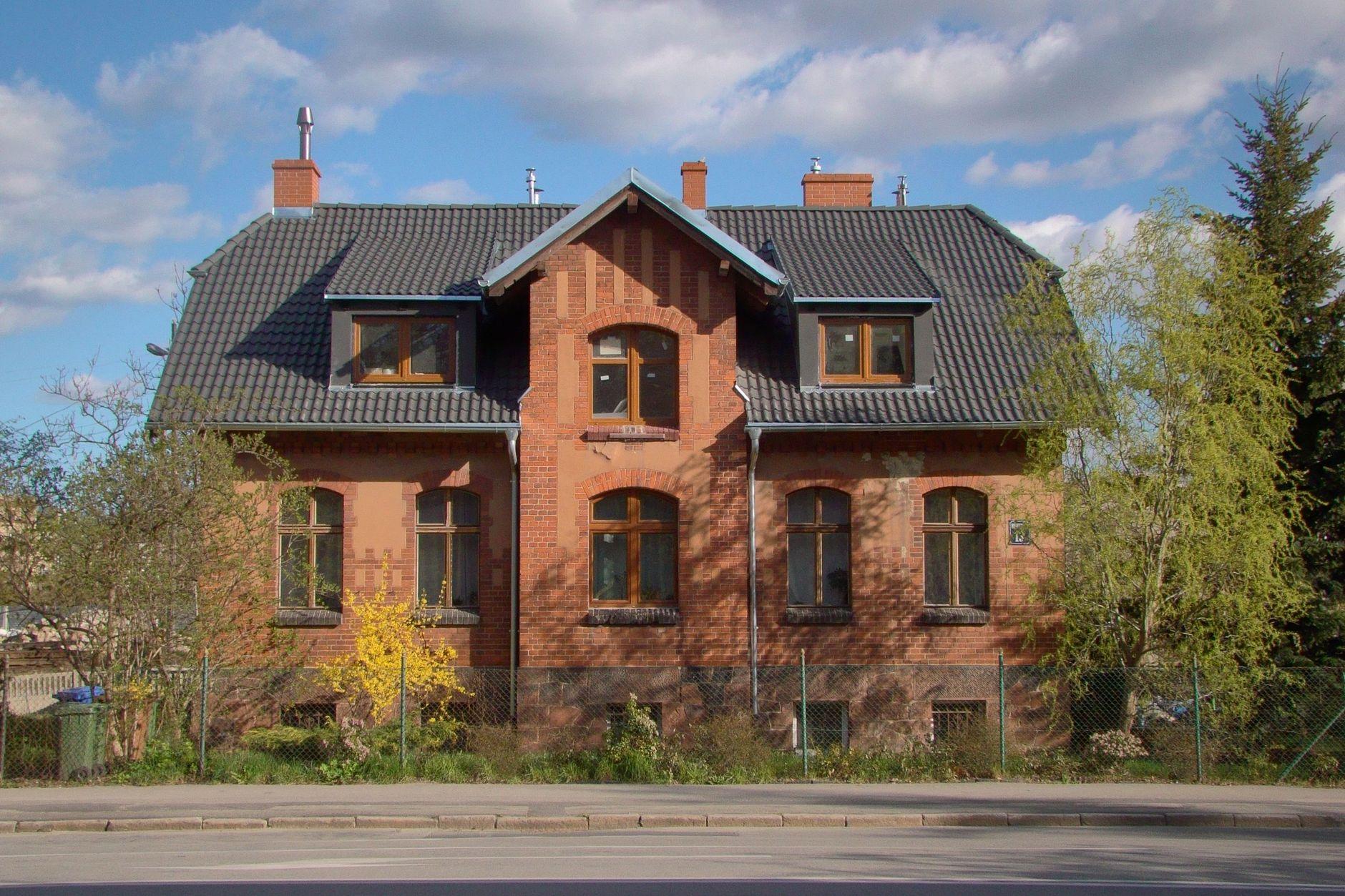
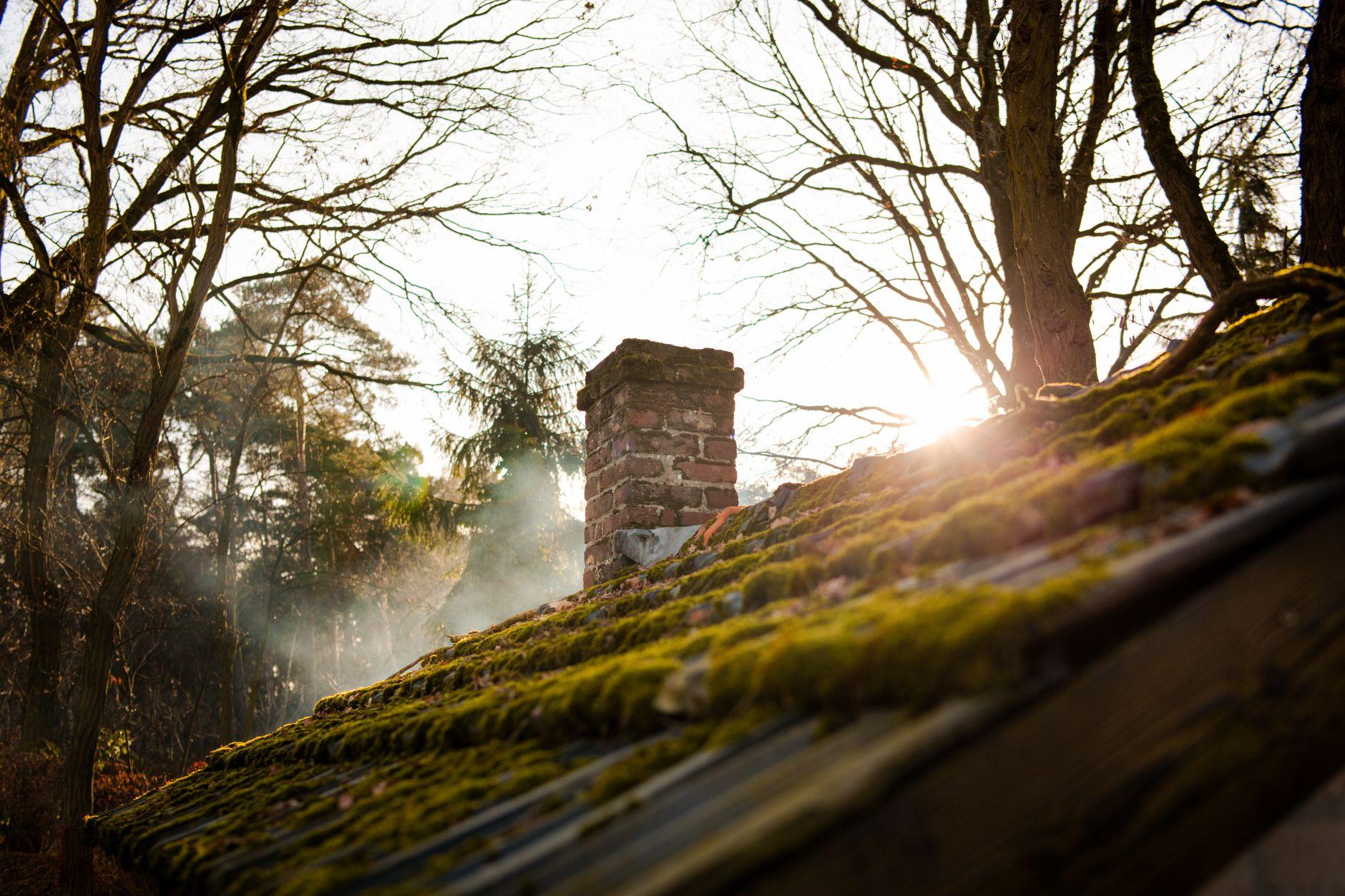
In a house you live in, a chimney leak gets caught at the first drip. In a house that sits empty, it gets caught when someone finally opens the door. By then the rain has had a whole season to work. The carpet by the hearth is stained, the drywall beside the fireplace has gone soft, and there is a musty smell nobody can place. That is the usual pattern on second homes and on rentals between tenants around Artesia.
This post is about what leak repair costs here, what we look at to find the source, and which parts of the job are priced only once we have seen them.
What leak repair costs
Our price for tracing and repairing a chimney leak is $570 to $3,400. The range is wide because "a leak" can mean anything from one failed seal to a chimney that lets water in at three places. Where your job falls depends on what we find:
- Where the water gets in. One open joint is a small job. Several entry points add up.
- What it has damaged. Water that has been running for a season often rusts a damper, softens mortar or cracks a crown on its way down.
- The roof around the chimney. Tile and steep pitches take more care than a low shingle roof.
- Whether the chimney needs a cricket. A wide chimney on the downhill side of a roof slope can hold water against its back. Pair a cricket with fresh flashing all round and the figure is $685 to $1,700. Build the cricket alone, keeping the flashing that is there, and it is $455 to $1,030.
Some fixes that often travel with a leak are priced in writing once we have looked at them: a crown that needs recasting, a chase top that has rusted through, a water repellent treatment on the brick, or new flashing on its own. Those go on the same quote as the leak work, each on its own line.
If you have found water near the fireplace in a house that has been closed up, ask us for a written price on leak repair and tell us where you saw the water and when the house was last occupied.
Why an empty house makes leaks worse
Three things go wrong at once when nobody is home.
Nobody sees it start. A leak that would be a small stain after the first storm becomes a soaked wall by spring.
The damper is often left open. That lets rain that falls down an uncapped flue reach the firebox and the room. A closed damper at least keeps it in the smoke chamber, though it rusts the damper instead.
The house is not heated. A lived in house dries out between storms. An empty one stays damp, and wet masonry stays wet.
What we trace first
We do not guess at a leak. We work from the top down, because water always starts higher than where it shows up.
- The cap and the flue top. An open flue or a torn cap lets rain fall straight in.
- The crown. Cracks in the slab at the top of the chimney let water into the brick below it.
- The brick and mortar. Old mortar joints and porous brick soak up water like a sponge in a long rain.
- The flashing. The metal where the chimney meets the roof is a common place for water to get past the roof.
- The chase top, if the chimney is a framed chase rather than brick. A rusted or flat top holds water and drips it inside.
Each source we find goes in the report with a photo, and each gets its own price on the quote.
Why the cap usually goes first
On houses that sit empty, the first fix worth making is the one that stops the most water. A screened cap keeps rain from falling straight down the flue, and it keeps out the birds that build in an open top while the house is empty. It is quoted after we measure. Our post on what sets the price of a chimney cap explains why caps differ. If the leak is from the flue top alone, the cap may be most of the fix.
The order of the work
Water first, structure second, appearance last. We fix where the water gets in before we repair anything it damaged, because patching a crown under an open flue or replacing a damper under a failed flashing only means doing it twice. The quote lists the work in that order, and you can approve it all together or in stages.
After a big leak, a Level 2 inspection at $400 records the flue on video, which tells you whether the water cracked any flue tiles out of sight. On a smaller one, a Level 1 at $56 is usually enough to confirm the fireplace is ready to use. See our vacant house chimney check cost post for how those fit together.
Houses we work on
Most of the leak calls we take come from Artesia, Norwalk, Bellflower and Cypress. Many of these houses have older brick chimneys and original flashing, and winter storms here can be heavy even when the year is dry overall. Read more on our chimney leak repair, chimney flashing repair and chimney waterproofing pages.
Close the house dry
The right moment to deal with a leak on a second home or a rental is just before you leave it for the season, while you can still see the stains. When you are ready, use our contact page to tell us where the water showed up and how long the house has been empty, and we will call back to set the visit.
Book the Check Before the Next Stay
Darnell runs one checklist on every house: cap and crown, flue, damper, then the gas unit if there is one. Photos go to the owner by email. Visits go out from Artesia to Norwalk, Bellflower, Cypress and the other towns on our area pages.